Soccer Ball Emblems for Gaming and Sport
Soccer ball emblems have become a powerful tool for creative expression in gaming, sports, and branding. These designs combine the iconic shape of a soccer ball with the visual language of shields, badges, and logos, offering a unique way to represent teams, games, or brands. Whether you're a designer, marketer, or hobbyist, soccer ball emblems provide endless opportunities for customization and storytelling.
What makes these emblems compelling is their ability to merge sport with art. The classic black-and-white pattern of a soccer ball is instantly recognizable, but when reimagined as a badge or shield, it transforms into something new. This versatility allows for a wide range of styles—from minimalist and modern to intricate and traditional—each suited to different purposes and audiences.
Creative Possibilities for Soccer Ball Emblems
The design possibilities for soccer ball emblems are vast. You can start by reinterpreting the traditional panel layout, using different colors, patterns, and textures to create a distinct identity. For example, a digital game might use a glowing, abstract version of the ball as a logo, while a sports team could incorporate local symbols or cultural motifs into its emblem.
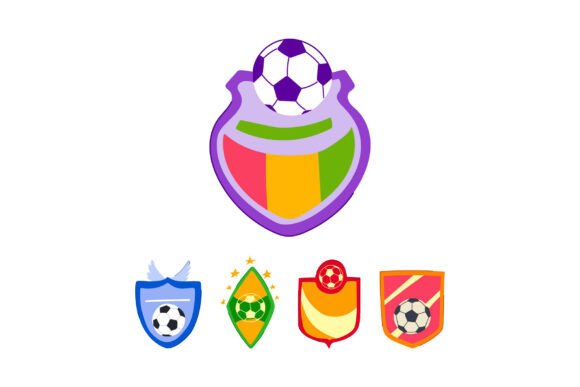
Another approach is to integrate the soccer ball into a larger emblem structure. Imagine a shield that features a soccer ball at its center, surrounded by decorative elements like stars, stripes, or text. This method works well for team identities, where the ball serves as a focal point that reinforces the brand’s connection to the sport.
For gaming, soccer ball emblems can be used as avatars, icons, or in-game items. A mobile game might feature a customizable emblem that players can unlock or upgrade, adding a layer of engagement and personalization. In virtual reality environments, these emblems can serve as interactive elements that respond to user actions, enhancing the immersive experience.
Applications Across Industries
Soccer ball emblems are not limited to sports teams or games. They can be adapted for a variety of industries, including fashion, media, and even corporate branding. A clothing brand might use a soccer ball emblem as a signature logo on t-shirts or accessories, while a media outlet could feature one as a symbol of its coverage of major sporting events.
Marketers can leverage these emblems to create eye-catching campaigns that resonate with sports fans. For instance, a sponsorship campaign could include a series of emblems that change with each match or tournament, keeping the audience engaged and connected to the brand. This dynamic approach helps maintain relevance and fosters a sense of community among fans.
Educators and hobbyists can also benefit from soccer ball emblems. Art classes might use them as a starting point for lessons on design principles, color theory, and symbolism. Hobbyists can experiment with digital tools to create their own emblems, learning about graphic design while expressing their passion for the game.
Designing for Different Audiences and Platforms
When creating soccer ball emblems, it's important to consider the target audience and platform. A professional sports team may require a clean, bold design that looks great on both digital and physical materials, such as jerseys, banners, and social media profiles. On the other hand, a fan-made emblem for a niche community might prioritize creativity and uniqueness over strict adherence to traditional design rules.
For digital platforms, scalability is key. Emblems should look sharp on small screens, like smartphones, as well as large formats, such as billboards. Vector-based designs are ideal for this purpose, as they maintain quality at any size. Additionally, considering how an emblem will appear in different contexts—such as in a game menu versus a merchandise catalog—can help ensure consistency and effectiveness.
When designing for international audiences, it's also wise to think about cultural relevance. Certain colors, symbols, or patterns may carry different meanings in various regions. Researching these nuances can help avoid unintended messages and ensure the emblem resonates with the intended audience.
Practical Tips for Creating Effective Emblems
To create a successful soccer ball emblem, start with a clear concept. Ask yourself: What message do I want to convey? Who is my audience? What style aligns with my goals? These questions can guide your design choices and help you stay focused throughout the process.
Experiment with different styles and techniques. Try combining the soccer ball with other shapes, such as circles, ovals, or triangles, to create a more complex composition. Use gradients, shadows, or textures to add depth and visual interest. Don’t be afraid to play with negative space, as it can enhance the overall balance and readability of the design.
Once you have a rough idea, test it across different formats. Print a sample to see how it looks on paper, and view it on a screen to check for clarity and impact. Get feedback from others to identify any issues or areas for improvement. This iterative process can help refine the emblem until it meets your standards and the needs of your audience.
Conclusion: Embrace the Power of Soccer Ball Emblems
Soccer ball emblems offer a unique blend of tradition and innovation, making them valuable assets for creators, marketers, and sports enthusiasts. By exploring different styles, applications, and design approaches, you can unlock new ways to express your ideas and connect with your audience.
Whether you're working on a game, a brand, or a personal project, soccer ball emblems provide a versatile and engaging way to celebrate the spirit of sport. With thoughtful design and a focus on clarity, these emblems can become powerful symbols that inspire, identify, and unite.