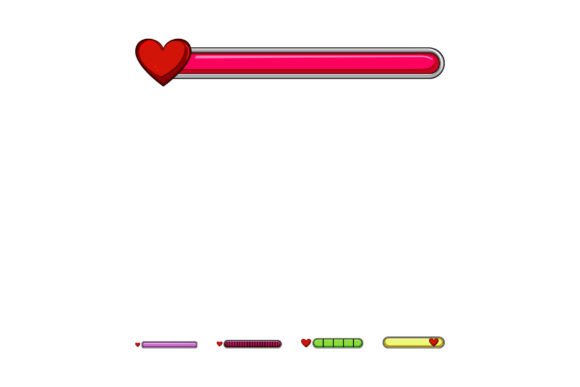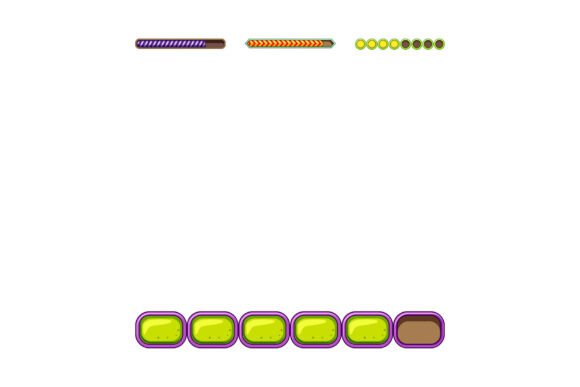
Gaming User Interface Level Progress Bar: Enhancing Player Experience and Engagement
In the evolving landscape of digital entertainment, the Gaming User Interface Level Progress Bar has become a critical element in shaping player experience. Whether you're navigating a mobile game, a desktop application, or an interactive web experience, progress bars, level indicators, and loading cues are more than just visual elements—they are essential tools that guide user interaction, reinforce achievement, and maintain engagement.
As gaming and interactive media continue to grow in popularity, the importance of intuitive and effective UI design has never been higher. Players expect seamless transitions, clear feedback, and visual cues that help them understand their progress within a game or app. This is where the Gaming User Interface Level Progress Bar comes into play, offering a structured way to communicate status, progression, and completion.
The Role of Progress Indicators in Modern Gaming
Progress bars and UI elements serve as visual signals that inform users about their current status within a game or application. They provide immediate feedback on tasks completed, levels unlocked, or content loaded, which is especially important in games with complex mechanics or long-term objectives.
For example, in mobile games like "Candy Crush" or "Clash of Clans," progress bars show how close a player is to completing a level or unlocking a new feature. On desktop platforms, games like "World of Warcraft" or "Dark Souls" use UI elements to track character progression, quest completion, and resource management. These indicators not only enhance gameplay but also contribute to a sense of accomplishment and motivation.
Moreover, progress bars are not limited to games alone. In productivity apps, social media platforms, and even e-learning systems, they help users understand how much of a task they've completed. This cross-platform relevance underscores the importance of designing UI elements that are both functional and aesthetically pleasing.
Evolution of UI Design for Progress Tracking
Over the years, the design of progress bars and UI elements has evolved significantly. Early games often used simple horizontal bars to indicate progress, while modern games incorporate dynamic animations, color changes, and contextual feedback to make the experience more engaging.
This evolution reflects broader shifts in user expectations. Today's players demand more than just functionality—they want experiences that are visually appealing, responsive, and easy to understand. As a result, developers and designers have started to focus more on creating UIs that align with user behavior and preferences.
One notable trend is the use of micro-interactions—small, subtle animations that respond to user actions. These interactions can be seen in progress bars that pulse, glow, or change color as a player approaches a milestone. Such details may seem minor, but they play a significant role in enhancing the overall user experience.
Why the Gaming User Interface Level Progress Bar Matters
The Gaming User Interface Level Progress Bar is more than just a visual cue—it’s a tool that influences player behavior and satisfaction. When designed effectively, it can reduce frustration, increase retention, and encourage continued engagement.
Consider a scenario where a player is stuck on a difficult level. A well-designed progress bar that shows how much of the level has been completed can motivate them to keep trying. Similarly, a loading indicator that provides real-time updates can prevent users from abandoning a game due to perceived slowness.
For developers and designers, understanding how to implement these elements effectively is crucial. It requires a balance between aesthetics and usability, ensuring that the UI enhances rather than distracts from the core experience.
Practical Implications for Creators and Businesses
For game developers, UI elements like progress bars are not just design choices—they’re strategic decisions that impact user retention and monetization. A poorly designed progress bar can lead to confusion, while a well-crafted one can improve player satisfaction and encourage longer play sessions.
Businesses that create interactive digital experiences, such as educational apps or marketing campaigns, can also benefit from thoughtful UI design. By incorporating progress indicators, they can guide users through complex workflows, measure engagement, and provide a sense of accomplishment.
Additionally, the rise of mobile gaming has placed even more emphasis on UI design. With smaller screens and varying device capabilities, progress bars and loading indicators must be optimized for clarity and performance. This means using scalable graphics, efficient code, and responsive layouts that adapt to different screen sizes.
Examples of Effective Progress UI in Games
Several games exemplify the effective use of progress bars and UI elements. For instance, "Hollow Knight" uses a combination of level-specific progress indicators and a global map to help players navigate its vast world. The game’s UI is minimalist yet informative, allowing players to focus on exploration without feeling overwhelmed by information.
Another example is "Genshin Impact," which uses a variety of UI elements to track character progression, quest completion, and resource management. The game’s interface is highly customizable, allowing players to adjust the visibility of progress bars based on their preferences.
Even non-gaming applications like "Duolingo" use progress bars to track language learning milestones. This demonstrates how the principles of UI design for games can be applied across different industries to improve user engagement and satisfaction.
Tips for Designing Effective Progress UI
If you're a creator or designer looking to implement progress bars and UI elements in your project, consider the following tips:
- Keep it simple: Avoid cluttering the UI with too much information. Focus on the most relevant progress indicators for your audience.
- Use consistent visual language: Ensure that progress bars and other UI elements follow a cohesive design style that aligns with the rest of your application or game.
- Provide clear feedback: Users should always know what the progress bar represents and how it relates to their goals.
- Optimize for performance: Make sure that UI elements load quickly and function smoothly, especially on mobile devices.
- Test with real users: Gather feedback from actual players or users to identify any issues with clarity, usability, or aesthetics.
By focusing on these principles, you can create UI elements that not only look good but also serve a practical purpose in guiding and engaging your audience.
Looking Ahead: The Future of Progress UI in Gaming
As technology continues to advance, we can expect to see even more innovative approaches to progress tracking in gaming and interactive experiences. Augmented reality (AR), virtual reality (VR), and artificial intelligence (AI) are already beginning to influence how progress is displayed and interpreted.
For example, AR games like "Pokémon GO" use location-based progress indicators to encourage exploration and real-world interaction. VR experiences may introduce more immersive progress visuals, such as 3D gauges or holographic displays. AI-driven interfaces could offer personalized progress tracking based on user behavior and preferences.
While these advancements are exciting, they also highlight the need for thoughtful design. No matter how advanced the technology becomes, the core goal of progress UI remains the same: to help users understand their journey and stay engaged with the experience.
Conclusion: Embracing the Power of Progress UI
The Gaming User Interface Level Progress Bar is more than just a design element—it’s a vital component of the user experience in games, apps, and interactive digital content. As players and users become more demanding, the importance of clear, intuitive, and visually appealing progress indicators will only continue to grow.
Whether you're a developer, designer, or business owner, understanding how to implement and optimize progress UI can make a significant difference in how your product is received. By focusing on usability, aesthetics, and user feedback, you can create experiences that not only meet but exceed expectations.