Gaming Interface Heart Health Bar Element: A Strategic Tool for Game Design and Application Development
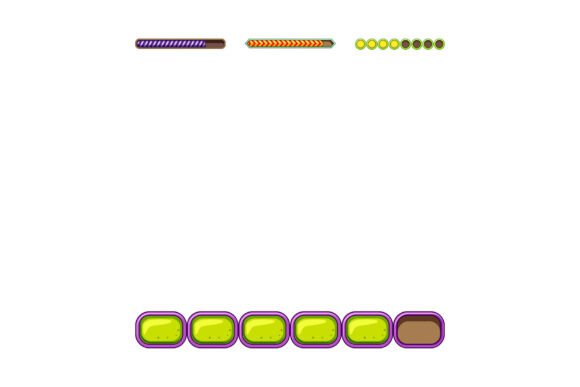
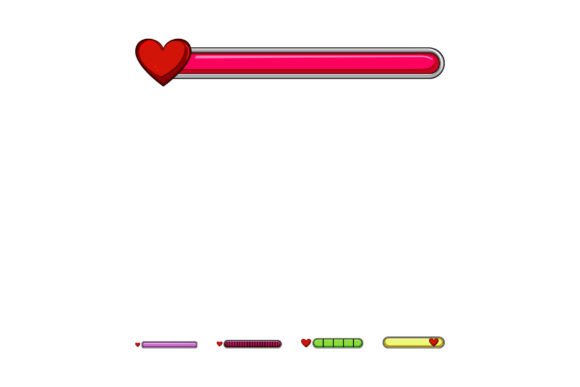
The Gaming Interface Heart Health Bar Element is a visual design component used in games and applications to represent a character's or system's health status. It typically appears as a bar that changes color, fills, or animates based on the current state of health. This element is more than just an aesthetic choice—it serves as a critical communication tool that influences player engagement, decision-making, and overall user experience.
Why the Gaming Interface Heart Health Bar Element Matters
In game design, clarity and immediacy are essential. The Gaming Interface Heart Health Bar Element provides players with instant feedback about their progress, risks, and performance. When implemented effectively, it can guide users through complex scenarios, reinforce goals, and create emotional connections. For developers and designers, this element is a powerful tool for shaping interactions and enhancing usability.
Strategically, the Gaming Interface Heart Health Bar Element supports several key objectives. It helps in setting clear expectations, reinforcing progress, and maintaining user motivation. By visually representing health or progress, it also aids in reducing cognitive load, making the interface more intuitive and accessible.
How to Use the Gaming Interface Heart Health Bar Element Effectively
Intentional use of the Gaming Interface Heart Health Bar Element requires understanding its purpose and context. Before implementing it, consider the following:
- Define the goal: What does the health bar represent? Is it a character’s stamina, a project’s progress, or a system’s status?
- Understand the audience: How will users interpret the visual cues? Are they gamers, professionals, or casual users?
- Choose the right design: Colors, shapes, and animations should align with the overall theme and message of the application.
For example, in a fitness app, a heart health bar could show how well a user is meeting their daily exercise goals. In a role-playing game, it might indicate a character’s remaining life points. Each use case demands a tailored approach that considers both functionality and user psychology.
Practical Applications and Use Cases
The Gaming Interface Heart Health Bar Element has diverse applications beyond traditional gaming. Here are a few examples:
- Game development: In action or adventure games, the heart bar helps players track their health, manage resources, and make strategic decisions during combat or exploration.
- Education and training: In simulation-based learning tools, a health bar can represent a student’s knowledge retention or progress through a lesson.
- Productivity apps: A progress indicator could show how close a user is to completing a task, boosting motivation and focus.
- Health and wellness platforms: A heart health bar might visualize a user’s physical activity, sleep quality, or stress levels, encouraging healthier habits.
These examples highlight the versatility of the Gaming Interface Heart Health Bar Element. Its effectiveness depends on how well it aligns with the user’s needs and the broader design strategy.
Strategic Observations and Decision-Making Guidance
When integrating the Gaming Interface Heart Health Bar Element into your design, think about how it contributes to the overall user journey. Ask yourself:
- Does this element enhance the user’s ability to make informed decisions?
- Is it consistent with the tone and purpose of the application?
- Can it be adapted to different contexts or user preferences?
Consider the emotional impact of the design. A red fill might signal danger, while green indicates safety or success. These associations can influence user behavior and perception. Therefore, it’s important to test different variations and gather feedback before finalizing the implementation.
Risks of Using the Gaming Interface Heart Health Bar Element Without Clarity
While the Gaming Interface Heart Health Bar Element is a valuable asset, it can also lead to confusion or misinterpretation if not used thoughtfully. Common pitfalls include:
- Overloading the interface: Too many bars or indicators can overwhelm users and dilute the message.
- Inconsistent design: If the bar’s appearance doesn’t match the context, users may struggle to understand its meaning.
- Lack of purpose: Implementing the element without a clear goal can result in wasted resources and poor user experience.
To avoid these issues, ensure that every instance of the Gaming Interface Heart Health Bar Element serves a specific function and enhances the user’s interaction with the application.
Planning Tips for Effective Implementation
Before adding the Gaming Interface Heart Health Bar Element to your project, follow these planning steps:
- Map the user flow: Identify where and how the health bar will be used throughout the application.
- Conduct user research: Gather insights from potential users to understand how they interpret and interact with similar elements.
- Prototype and iterate: Create mockups or prototypes to test different designs and refine them based on feedback.
- Document the logic: Clearly define how the bar behaves under different conditions to ensure consistency across the application.
By taking a structured approach, you can maximize the value of the Gaming Interface Heart Health Bar Element while minimizing potential drawbacks.
Long-Term Value and Strategic Positioning
The Gaming Interface Heart Health Bar Element is not just a short-term design choice—it can contribute to long-term success when integrated into a broader strategy. It supports brand consistency, improves user satisfaction, and enhances the overall quality of the product.
For businesses and developers, investing in thoughtful design elements like the Gaming Interface Heart Health Bar Element can differentiate their offerings in a competitive market. It demonstrates a commitment to user-centered design and strategic thinking, which are key drivers of growth and innovation.