Gaming PC Hardware Icons and Their Significance in Modern Gaming
In the world of gaming, hardware plays a crucial role in determining performance, visual quality, and overall user experience. From the processor to the graphics card, each component contributes to the smooth operation of a gaming PC. Understanding these components through gaming PC hardware icons and gaming PC hardware icons set vector can help both beginners and seasoned gamers make informed decisions about their builds. This article explores the key elements of gaming hardware, their functions, and how they contribute to an optimal gaming setup.
The Role of Gaming PC Hardware Icons
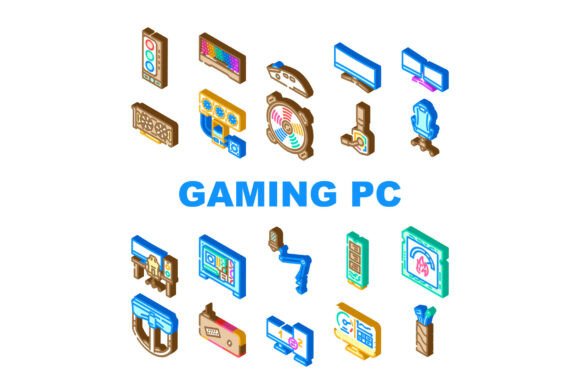
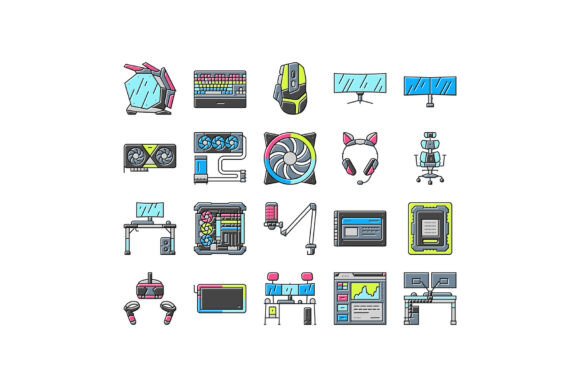
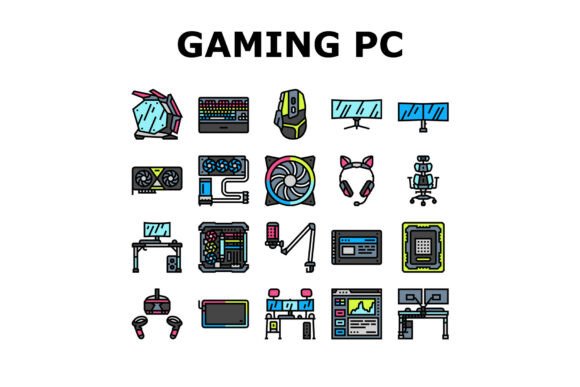
Gaming PC hardware icons are visual representations of essential components that power a high-performance gaming system. These icons are commonly used in design, marketing, and educational materials to illustrate the different parts of a gaming rig. By using gaming PC hardware icons set vector, designers can create clear and professional visuals that communicate complex technical information in an accessible way.
These icons often include representations of the processor, motherboard, SSD, RAM, graphics card, and other critical components. They also frequently depict features like overclocking, FPS (frames per second), resolution, VR peripherals, and RGB lighting. Understanding these icons helps users visualize how different parts of a PC work together to deliver an immersive gaming experience.
Key Components of a Gaming PC
Each component in a gaming PC has a specific function, and together they determine the system's performance. Here’s a breakdown of some of the most important parts:
- Processor (CPU): The brain of the computer, responsible for executing instructions and managing tasks. A powerful CPU ensures smooth gameplay and efficient multitasking.
- Motherboard: The central hub connecting all components. It determines compatibility between parts and supports features like overclocking and expansion slots.
- SSD (Solid State Drive): Provides fast data access and reduces load times. An SSD significantly improves system responsiveness compared to traditional hard drives.
- Overclocking: The process of increasing a component's clock speed to boost performance. While it can enhance frame rates and responsiveness, it also requires proper cooling and stability.
- FPS (Frames Per Second): Measures how many images the GPU can render per second. Higher FPS leads to smoother gameplay, especially in fast-paced games.
- Resolution: Refers to the number of pixels displayed on the screen. Higher resolutions like 4K offer sharper visuals but require more powerful hardware to maintain performance.
- VR Peripherals: Devices like VR headsets and motion controllers enable immersive virtual reality experiences. They require high-end GPUs and CPUs to function optimally.
- RGB Build: Refers to the use of customizable LED lighting in a PC. While not directly related to performance, RGB adds a personal touch and enhances the aesthetic appeal of a build.
Understanding the Significance of Gaming PC Hardware
Modern gaming is more than just playing video games—it’s about experiencing rich, interactive worlds with stunning visuals and responsive controls. To achieve this, a well-built gaming PC must have the right combination of hardware components. Each part of the system plays a role in delivering a seamless gaming experience.
For example, a high-end processor ensures that the game runs smoothly without lag, while a powerful GPU handles complex graphics and rendering. SSDs reduce loading times, making it easier to jump into a game quickly. Meanwhile, overclocking allows enthusiasts to push their hardware beyond standard limits for better performance.
When it comes to resolution and VR peripherals, the hardware requirements increase significantly. A 4K monitor demands a strong GPU, while VR systems require precise tracking and high refresh rates for an immersive experience. RGB lighting may not affect performance, but it adds a unique style that many gamers appreciate.
How Gaming PC Hardware Fits Into Modern Life
Gaming PCs are no longer just for entertainment—they play a role in various aspects of modern life, including education, creativity, and even business. For instance, students and professionals often use gaming PCs for tasks like video editing, 3D modeling, and software development, thanks to their powerful hardware.
Moreover, the rise of streaming and content creation has made gaming PCs more versatile. Many gamers use their rigs to record gameplay, edit videos, and broadcast live streams. In such cases, a robust motherboard and sufficient RAM are essential for handling multiple tasks simultaneously.
Common Misconceptions About Gaming PC Hardware
Despite the growing popularity of gaming PCs, there are still several misconceptions about their components and performance. One common belief is that more expensive hardware always equals better performance. While high-end components do offer superior capabilities, they are not always necessary for every type of game or use case.
Another misunderstanding is that overclocking is only for experienced users. While it does require some technical knowledge, many modern motherboards come with built-in overclocking tools that make the process more accessible. However, it’s important to note that overclocking can generate additional heat and may void warranties if not done properly.
Some people also assume that RGB lighting has no real impact on performance. While it doesn’t directly affect gameplay, it can influence the overall aesthetics of a build and provide a sense of personalization. Additionally, some RGB components come with advanced cooling solutions that can improve thermal efficiency.
Choosing the Right Hardware for Your Needs
When building a gaming PC, it’s important to consider your specific needs and budget. If you’re primarily interested in casual gaming, a mid-range build with a capable GPU and processor may be sufficient. On the other hand, if you plan to play high-end titles at 4K resolution or use VR peripherals, you’ll need a more powerful setup.
Additionally, understanding gaming PC hardware icons and gaming PC hardware icons set vector can help you identify the right components when purchasing or designing a build. Visual representations of hardware can simplify the decision-making process, especially for those new to the world of PC gaming.
Conclusion
Gaming PC hardware is a complex but fascinating subject that plays a vital role in modern gaming and computing. From the processor to RGB lighting, each component contributes to the overall performance and aesthetics of a system. By understanding gaming PC hardware icons and gaming PC hardware icons set vector, users can make informed choices about their builds and enjoy a more immersive and enjoyable gaming experience.
Whether you're a beginner looking to build your first PC or an experienced gamer seeking to upgrade your setup, a solid understanding of hardware components will help you navigate the ever-evolving world of gaming technology.